



- はじめに
- July 19th ー109th day of my stay in Australiaー
- July 20th ー110th day of my stay in Australiaー
- 「髪を切る」in English
- July 21st ー111th day of my stay in Australiaー
- July 22nd ー112th day of my stay in Australiaー
- 桃太郎 in English
- July 23rd ー113th day of my stay in Australiaー
- July 24th ー114th day of my stay in Australiaー
- July 25th ー115th day of my stay in Australiaー
- 最後に
はじめに
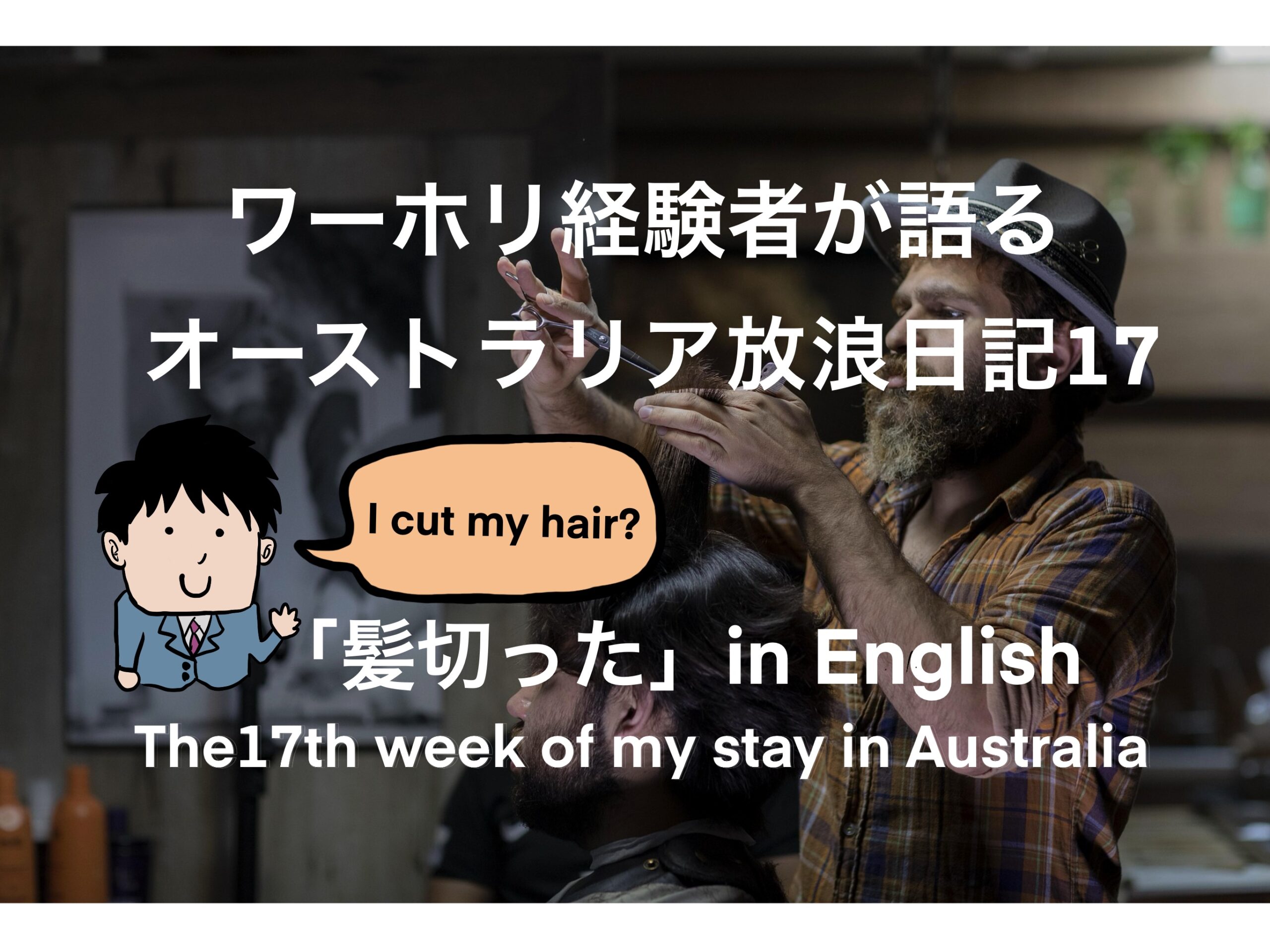
オーストラリアワーホリ生活17周目に突入です。ある日「私は髪を切りました」と英語で言いたくて、”I cut my hair.”と言ったことがあります。すると当時関わりがあった日本人の友達から”I had my hair cut.”だと訂正をしてもらいました。「髪の毛を切る」は英語でどのように言うのがいいのか。ニュアンスも含めて、正しく伝えられるように、この記事で学習していきましょう!
July 19th ー109th day of my stay in Australiaー
July 19th ー109th day of my stay in Australiaー
Tonight, I cooked Okonomiyaki for my roommates. It seemed to me that everyone had not heard the word Okonomiyaki. I couldn't explain about it in detail, but in a rough way. I wondered I'm really working as a waiter in a Japanese restaurant, but I was happy to hear they said it was so nice.
音声で1度聞いてみてください。リスニング力向上!
| 単語 | 品詞 | 意味 | 発音記号 | TOEIC頻出度 | 例文文 |
|---|---|---|---|---|---|
| cook | 動詞 | 料理する | /kʊk/ | 高 | I cooked Okonomiyaki for my roommates. |
| roommate | 名詞 | ルームメイト | /ˈruːm.meɪt/ | 中 | I cooked Okonomiyaki for my roommates. |
| seem | 動詞 | ~のように思える | /siːm/ | 高 | It seemed to me that everyone had not heard… |
| explain | 動詞 | 説明する | /ɪkˈspleɪn/ | 高 | I couldn’t explain about it in detail. |
| detail | 名詞 | 詳細 | /ˈdiː.teɪl/ | 高 | I couldn’t explain about it in detail. |
| rough | 形容詞 | 大まかな、ざっくりした | /rʌf/ | 中 | In a rough way. |
| wonder | 動詞 | 不思議に思う、~かと思う | /ˈwʌn.dər/ | 高 | I wondered I’m really working as a waiter. |
| waiter | 名詞 | ウェイター(男性の給仕) | /ˈweɪ.tər/ | 中 | I’m working as a waiter in a restaurant. |
| restaurant | 名詞 | レストラン | /ˈres.trɒnt/ | 高 | A Japanese restaurant. |
| happy | 形容詞 | 幸せな、うれしい | /ˈhæp.i/ | 高 | I was happy to hear they said… |

お好み焼きの作り方を英語で説明しようとチャレンジしていました。過去のオーストラリア放浪日記もご一読頂ければ幸いです!
July 20th ー110th day of my stay in Australiaー
「私は髪を切りました」って英語で言えますか?か「髪を切る」と言っても美容院に行って切ってもらったのか、また鏡を見ながら自分で切ったのか。表現が変わってきます。
音声を聞いてリスニング力向上!日記がどんな内容なのか、1度聞いてみてください。
July 20th ー110th day of my stay in Australiaー
I cut my friend hair today. It was first time to cut someone's hair. When I cut his hair, I was a little nervous because he was going to have an interview the next day, which meant I had to succeed in cutting his hair no matter what even though I was not a hairdresser. He was also nervous when I was cutting his hair. But once I started cutting his hair, I started feeling excited to cut his hair. After all, He got a nice hair style. I mean His hair style ended up looking like spaghetti.

日記から役立つ英単語をピックアップしています!例文と合わせて、しっかり覚えましょう!
| 単語 | 品詞 | 意味 | 発音記号 | TOEIC頻出度 | 例文文 |
|---|---|---|---|---|---|
| cut | 動詞 | 切る(髪などを) | /kʌt/ | 高 | I cut my friend’s hair today. |
| nervous | 形容詞 | 緊張した、不安な | /ˈnɜː.vəs/ | 高 | I was a little nervous. |
| interview | 名詞 | 面接、インタビュー | /ˈɪn.tə.vjuː/ | 高 | He was going to have an interview. |
| succeed | 動詞 | 成功する | /səkˈsiːd/ | 高 | I had to succeed in cutting. |
| no matter what | 句 | 何があっても | /nəʊ ˈmæt.ər wɒt/ | 中 | I had to succeed no matter what. |
| hairdresser | 名詞 | 美容師(特に髪を切る人) | /ˈheəˌdres.ər/ | 中 | I was not a hairdresser. |
| excited | 形容詞 | わくわくした | /ɪkˈsaɪ.tɪd/ | 高 | I started feeling excited. |
| hairstyle | 名詞 | 髪型 | /ˈheə.staɪl/ | 中 | He got a nice hairstyle. |
| mean | 動詞 | ~という意味である(補足説明に使う) | /miːn/ | 高 | I mean, his hairstyle became a spaghetti. |
「髪を切る」in English

「髪を切りました」は英語で、以下のように表現できます!
シンプルに言いたい場合:
- I got a haircut.(髪を切ってもらいました)
自分で切った場合やより詳しく言いたい場合:
- I cut my hair.(自分で髪を切りました、というニュアンスになります)
最近のことを強調したい場合:
- I just got a haircut.(ちょうど髪を切ったところです)
雰囲気を加えたいとき:
- I had my hair cut.(少しフォーマルな言い方)
- I got my hair trimmed.(少しだけ整えた、というニュアンス)
ふつうは美容院や理髪店で切ってもらうので、“I got a haircut.” が最も一般的です。
一般的には美容院や理髪店で髪を切ってもらう人が多いと思います。その場合は”I got a haircut.“が一般的です。
私の場合、自分で髪の毛を切っていたので、たまたま”I cut my hair.”が1番しっくりくる表現でした。

書いて、話す。オンライン英会話Best Teacher。いきなり話すのはチョット…。という人にお勧め!話す前に書いて学習する。その学習で使った英語を用いて話してみる!インプットからのアウトプットの理に適った英語力向上のプロセスを辿ることができます!是非無料体験してみてください!
July 21st ー111th day of my stay in Australiaー
リスニング力向上!是非音声から聞いてみてください。
July 21st ー111th day of my stay in Australiaー
I was the only student today. In the third lesson, John gave me a lesson. I always wanted to take John's lessons because he knew how to inspire me.
Learning about the English language is related to understanding people. Actually, we understood each other two days ago through proverbs in our own countries.  I wanted to learn more from him.
It rained heavily today, so we didn't have many customers, but I had to focus on working in order not to be scolded by the boss.
日記の中から役立つ英単語をピックアップしてまとめています!是非覚えて、自分の英語表現にしてみてください。
| 単語 | 品詞 | 意味 | 発音記号 | TOEIC頻出度 | 例文文 |
|---|---|---|---|---|---|
| only | 副詞/形容詞 | 唯一の/ただ〜だけ | /ˈəʊn.li/ | 高 | I was the only student today. |
| lesson | 名詞 | 授業、レッスン | /ˈles.ən/ | 高 | John gave me a lesson. |
| inspire | 動詞 | 刺激を与える、感動させる | /ɪnˈspaɪər/ | 中 | He knew how inspires me.(※文法的に “how to inspire me”) |
| language | 名詞 | 言語 | /ˈlæŋ.ɡwɪdʒ/ | 高 | To learn about the English language. |
| related to | 句 | ~に関係する | /rɪˈleɪ.tɪd tuː/ | 高 | Is related to understanding people. |
| actually | 副詞 | 実際に | /ˈæk.tʃu.ə.li/ | 高 | Actually, we understood each other. |
| proverb | 名詞 | ことわざ | /ˈprɒ.vɜːb/ | 中 | Through proverbs in our own countries. |
| customer | 名詞 | 客、顧客 | /ˈkʌs.tə.mər/ | 高 | We didn’t have many customers. |
| focus on | 句動詞 | ~に集中する | /ˈfəʊ.kəs ɒn/ | 高 | I had to focus on working. |
| scold | 動詞 | 叱る | /skəʊld/ | 中 | Not to be scolded by the boss. |
| boss | 名詞 | 上司 | /bɒs/ | 高 | By the boss. |
July 22nd ー112th day of my stay in Australiaー
リスニング力アップに、是非音声も聞いて、放浪日記の内容を確認してみてください。
July 22nd ー112th day of my stay in Australiaー
I felt that it was very difficult for me to explain the Japanese stories which I know. In the third lesson, I tried to explain the old Japanese story, Momotaro, but I found it difficult to do that because I realized that telling the facts is different from telling stories. In order to tell stories, I need to use a lot of adjectives because the stories are interesting. I have to practice telling stories in order to speak English well.
I was taught how to close our restaurant today. I have to remember a lot of things again. I'm fed up with it, but I have to do that to save money for IH college. I could finish working at 2 a.m. I was extremely tired today.
この日の授業は日本の昔話を英語で説明しよう!という内容でした。私が選んだのは桃太郎。みなさんは桃太郎を英語で説明できますか?
| 単語/表現 | 品詞 | 意味 | 発音記号 | TOEIC頻出度 | 例文文 |
|---|---|---|---|---|---|
| explain | 動詞 | 説明する | /ɪkˈspleɪn/ | 高 | It was difficult to explain the Japanese stories. |
| realize | 動詞 | 気づく、認識する | /ˈrɪə.laɪz/ | 高 | I realized that telling facts is different… |
| fact | 名詞 | 事実 | /fækt/ | 高 | Telling the facts is different from… |
| story | 名詞 | 物語、話 | /ˈstɔː.ri/ | 高 | I have to practice telling stories. |
| adjective | 名詞 | 形容詞 | /ˈædʒ.ek.tɪv/ | 中 | I need to use a lot of adjectives. |
| practice | 動詞/名詞 | 練習(する) | /ˈpræk.tɪs/ | 高 | I have to practice telling stories. |
| be taught | 受動構文 | 教えられる | /bi tɔːt/ | 中 | I was taught how to close our restaurant. |
| remember | 動詞 | 思い出す、覚える | /rɪˈmem.bər/ | 高 | I have to remember a lot of things. |
| fed up with | 熟語 | うんざりしている | /fed ʌp wɪð/ | 中 | I’m fed up with it. |
| extremely | 副詞 | 非常に、極めて | /ɪkˈstriːm.li/ | 高 | I was extremely tired. |
| tired | 形容詞 | 疲れた | /ˈtaɪəd/ | 高 | I was extremely tired today. |
桃太郎 in English
Momotaro – The Peach Boy

Once upon a time, there was an old man and an old woman.
They lived in the countryside near a river.

One day, the old woman went to the river to wash clothes.
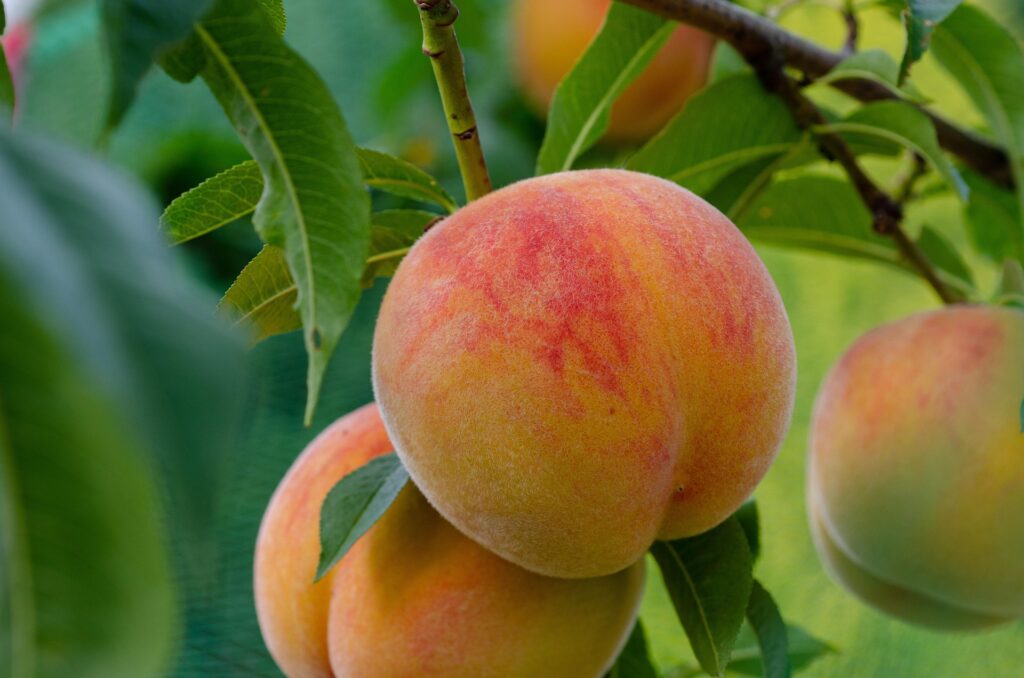
There, she saw a big peach floating in the water.
She took the peach home.

When she and the old man tried to cut the peach,
a baby boy came out from inside!
They were very surprised, but happy.
They named him **Momotaro**, which means "Peach Boy."
They raised him with love.

Momotaro grew up to be a strong and kind boy.
One day, he heard that **oni** (demons) were causing trouble on a distant island.
He decided to go and fight them.

The old woman made him **kibi dango** (millet dumplings) for his journey.
On the way, Momotaro met a dog, a monkey, and a pheasant.
He gave them dumplings, and they became his friends.
They joined him on his adventure.

Together, they went to the island and fought the oni.
They worked as a team and won the battle.
The oni gave up and said sorry.
Momotaro and his friends took back the treasure that the oni had stolen.

Momotaro returned home with the treasure.
The old man and the old woman were very happy.
They all lived happily ever after.
July 23rd ー113th day of my stay in Australiaー

まずは1度音声を聞いて、内容確認をしてみてください!
July 23rd ー113th day of my stay in Australiaー
My Korean friend called me this morning, and we went to a cafe. He asked me to translate what he wanted to say from English into Japanese. He will try to write a letter in Japanese and give a Japanese girl a present with it. I was happy to help him.
After that, we had lunch at a Korean restaurant. I ate grilled eel with rice.
I had to work after we said good bye. It was easy to work even though it was Saturday. I managed to make a lot of drinks without any complaints. I had a really good day.
仲良くなった韓国人の友達とカフェに行きました。「手紙を書くので、英語を日本語にしてほしい」というお願いをされ、コーヒーを飲みながら、一緒に手紙を書いたという内容の日記です。
日記から役立つ英単語をピックアップしてまとめています!是非覚えて語彙力アップしてみてください!
| 単語/表現 | 品詞 | 意味 | 発音記号 | TOEIC頻出度 | 例文文 |
|---|---|---|---|---|---|
| translate | 動詞 | 翻訳する | /trænzˈleɪt/ | 高 | He asked me to translate from English into Japanese. |
| present | 名詞 | プレゼント、贈り物 | /ˈprez.ənt/ | 高 | Give a Japanese girl a present. |
| help | 動詞 | 助ける、手伝う | /help/ | 高 | I was happy to help him. |
| lunch | 名詞 | 昼食 | /lʌntʃ/ | 高 | We went having lunch at a Korean restaurant. |
| restaurant | 名詞 | レストラン | /ˈres.trɒnt/ | 高 | At a Korean restaurant. |
| work | 動詞/名詞 | 働く/仕事 | /wɜːk/ | 高 | I had to work after we said goodbye. |
| manage to ~ | 動詞句 | なんとか〜する、うまく〜する | /ˈmæn.ɪdʒ tuː/ | 高 | I managed to make a lot of drinks. |
| complaint | 名詞 | 苦情、クレーム | /kəmˈpleɪnt/ | 高 | Without any complaints. |
| even though | 接続詞 | ~だけれども | /ˈiː.vən ðəʊ/ | 高 | Even though it was Saturday. |
| good day | 名詞句 | よい一日 | /ɡʊd deɪ/ | 中 | I had a really good day. |
書いて、話す。今回の日記ではまさに、書いて話すことでコミュニケーションを取れたという内容でした。書くのも話すのもアウトプットです。書く方は準備ができますが、正確性が求められます。話す方は即興性が求められます。どちらも重要!Best Teacherの無料レッスン、おすすめです!
July 24th ー114th day of my stay in Australiaー
まずはリスニングから!なんとなくでも内容を理解できれば、読んだときの内容理解が促進されます!
July 24th ー114th day of my stay in Australiaー
I'm fed up with unreasonable orders from the boss at work. He was already in a bad mood when I went into the restaurant. I couldn't understand why he scolded me today.
I don't dislike working there. Some customers remember me and try to talk to me. It is very enjoyable for me to talk to customers, so I can't decide whether to quit this job. In addition, the free meals we can eat after working are so delicious. I wonder if I should work at two or more places.
| 単語/表現 | 品詞 | 意味 | 発音記号 | TOEIC頻出度 | 例文文 |
|---|---|---|---|---|---|
| fed up with | 熟語 | 〜にうんざりしている | /fed ʌp wɪð/ | 中 | I’m fed up with unreasonable orders. |
| unreasonable | 形容詞 | 理不尽な、無茶な | /ʌnˈriː.zən.ə.bəl/ | 中 | Unreasonable orders from the boss. |
| order | 名詞 | 命令、注文(TOEICではどちらも出題される) | /ˈɔː.dər/ | 高 | Orders from the boss. |
| mood | 名詞 | 気分、機嫌 | /muːd/ | 中 | He was in a bad mood. |
| scold | 動詞 | 叱る | /skəʊld/ | 中 | I was scolded by him. |
| customer | 名詞 | 顧客、お客さん | /ˈkʌs.tə.mər/ | 高 | Some customers remember me. |
| enjoyable | 形容詞 | 楽しい | /ɪnˈdʒɔɪ.ə.bəl/ | 中 | It is very enjoyable to talk to customers. |
| quit | 動詞 | やめる(退職・退学など) | /kwɪt/ | 高 | I can’t decide whether to quit this job. |
| delicious | 形容詞 | おいしい | /dɪˈlɪʃ.əs/ | 中 | The free meals are so delicious. |
| wonder | 動詞 | ~かしらと思う、疑問に思う | /ˈwʌn.dər/ | 高 | I wonder if I should work in two or more places. |
July 25th ー115th day of my stay in Australiaー
今週最後の内容です!ここまでご一読ありがとうございます!
July 25th ー115th day of my stay in Australiaー
I got up at 8 a.m. because I was supposed to take an interview at 9:30, but the interviewer called me and said that interview was going to be postponed until tomorrow morning.
I went to school at 10 a.m. because I got up early. I was able to study English for two hours before lessons. In my school, I'm the only student in my class. It is very good for me to improve my English.
After school, I had to work. It was very easy to work today. We didn't have a lot of customers today. If it was a normal Monday, I would have finished working at about 10:30 p.m, but we had customers coming as a group who made a reservation at 11:30 p.m. My senior worker allowed me to work until 12 a.m though there were few customers in the restaurant. After working, I was invited to karaoke. I wanted to turn down the invitation because I was too tired, my friends didn't hear me. We broke up at 3 a.m. in the end.
I didn't have a master key to enter my share house at such a late time. I'm now waiting for morning to come whilst I'm writing this daily. I'm worried if I can make it to the interview.
| 単語/表現 | 品詞 | 意味 | 発音記号 | TOEIC頻出度 | 例文文 |
|---|---|---|---|---|---|
| supposed to ~ | 助動詞句 | ~することになっている | /səˈpəʊzd tuː/ | 高 | I was supposed to take an interview. |
| interview | 名詞/動詞 | 面接、インタビュー | /ˈɪn.tə.vjuː/ | 高 | The interview is going to be postponed. |
| postpone | 動詞 | 延期する | /pəʊstˈpəʊn/ | 高 | The interview is going to be postponed. |
| be able to ~ | 助動詞句 | ~することができる | /bi ˈeɪ.bəl tuː/ | 高 | I was able to study English. |
| improve | 動詞 | 向上させる、上達する | /ɪmˈpruːv/ | 高 | It is very good for me to improve my English. |
| customer | 名詞 | 顧客、お客さん | /ˈkʌs.tə.mər/ | 高 | We didn’t have a lot of customers. |
| reservation | 名詞 | 予約 | /ˌrez.əˈveɪ.ʃən/ | 高 | A group who made a reservation. |
| allow | 動詞 | 許可する | /əˈlaʊ/ | 高 | My senior worker allowed me to work. |
| turn down | 句動詞 | 断る | /tɜːn daʊn/ | 高 | I wanted to turn down the invitation. |
| invitation | 名詞 | 招待、誘い | /ˌɪn.vɪˈteɪ.ʃən/ | 高 | I wanted to turn down the invitation. |
| break up (group) | 句動詞 | 解散する | /breɪk ʌp/ | 中 | We broke up at 3 a.m. |
| share house | 名詞 | シェアハウス(共同生活の家) | /ʃeə(r) haʊs/ | 中 | I didn’t have a key to enter my share house. |
| worry | 動詞/名詞 | 心配する/心配 | /ˈwʌr.i/ | 高 | I’m worried if I can go. |
| whilst | 接続詞(英式) | ~している間に | /waɪlst/ | 中 | Whilst I’m writing this daily. |
最後に

いかがだったでしょうか。今回はオーストラリア放浪日記17を最後までご一読いただき、ありがとうございました。「髪切った」を英語でマスターできたでしょうか。美容院や理髪店に行ったあと、是非”I got a haircut.”と声に出してみましょう。”You look amazing.””New hairstyle suits you so much.”など、相手のリアクションにわくわくして、素敵なつながりを築いてください!英語を頑張るみなさんの役に立てるよう、引き続き頑張っていきます!


コメント